


Sustainability

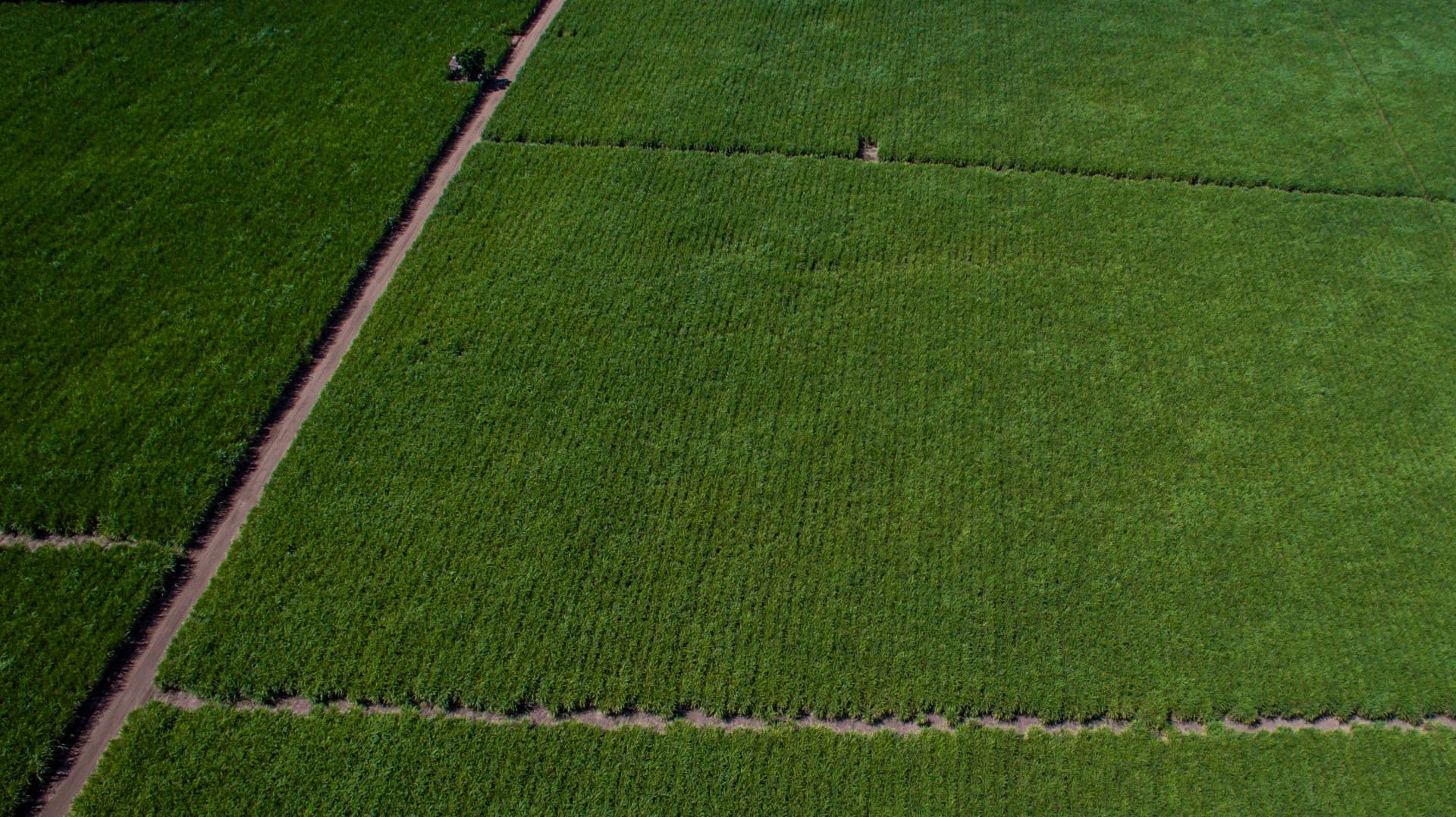
At CASSA Group, we operate as an integral part of an agroecosystem, taking shared responsibility for conserving the natural resources that sustain sugarcane production. This approach translates into sustainable agricultural practices, responsible soil and water management, and environmental standards aligned with national and international benchmarks, ensuring long-term sustainability of the production system.

The relationships we foster with our stakeholders aim for mutual growth, aligned with our commitment to environmental and social sustainability. These partnerships not only ensure operational continuity but also position the company as a key stakeholder in El Salvador's responsible and sustainable development.

SUSTAINABILITY REPORTING

OUR SUSTAINABILITY METRICS

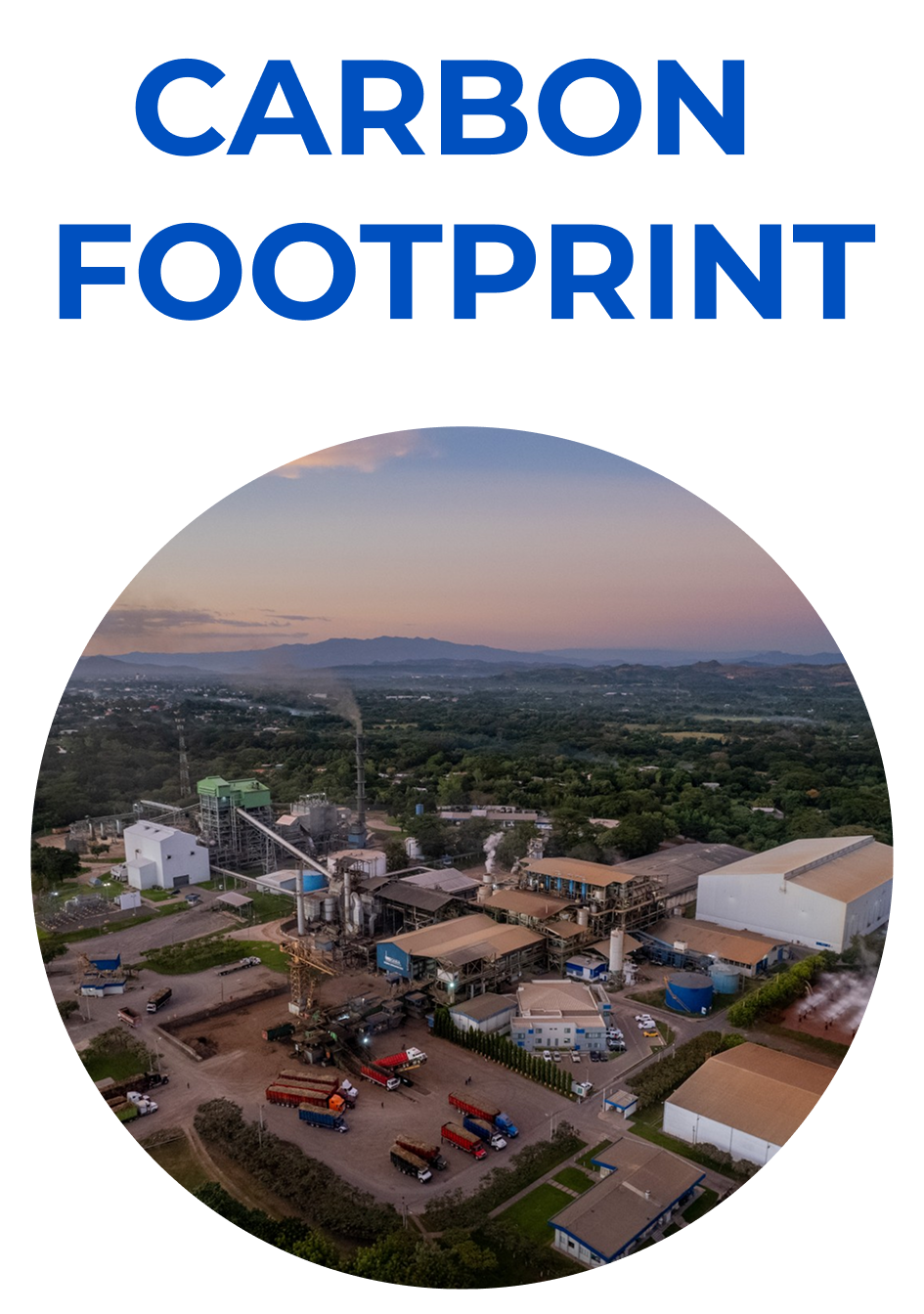
Carbon footprint is our key impact metric for measuring emissions. In 2024, our combined operations produced 0.327 tons of CO2 equivalent per metric ton of sugar across industrial and agricultural activities.

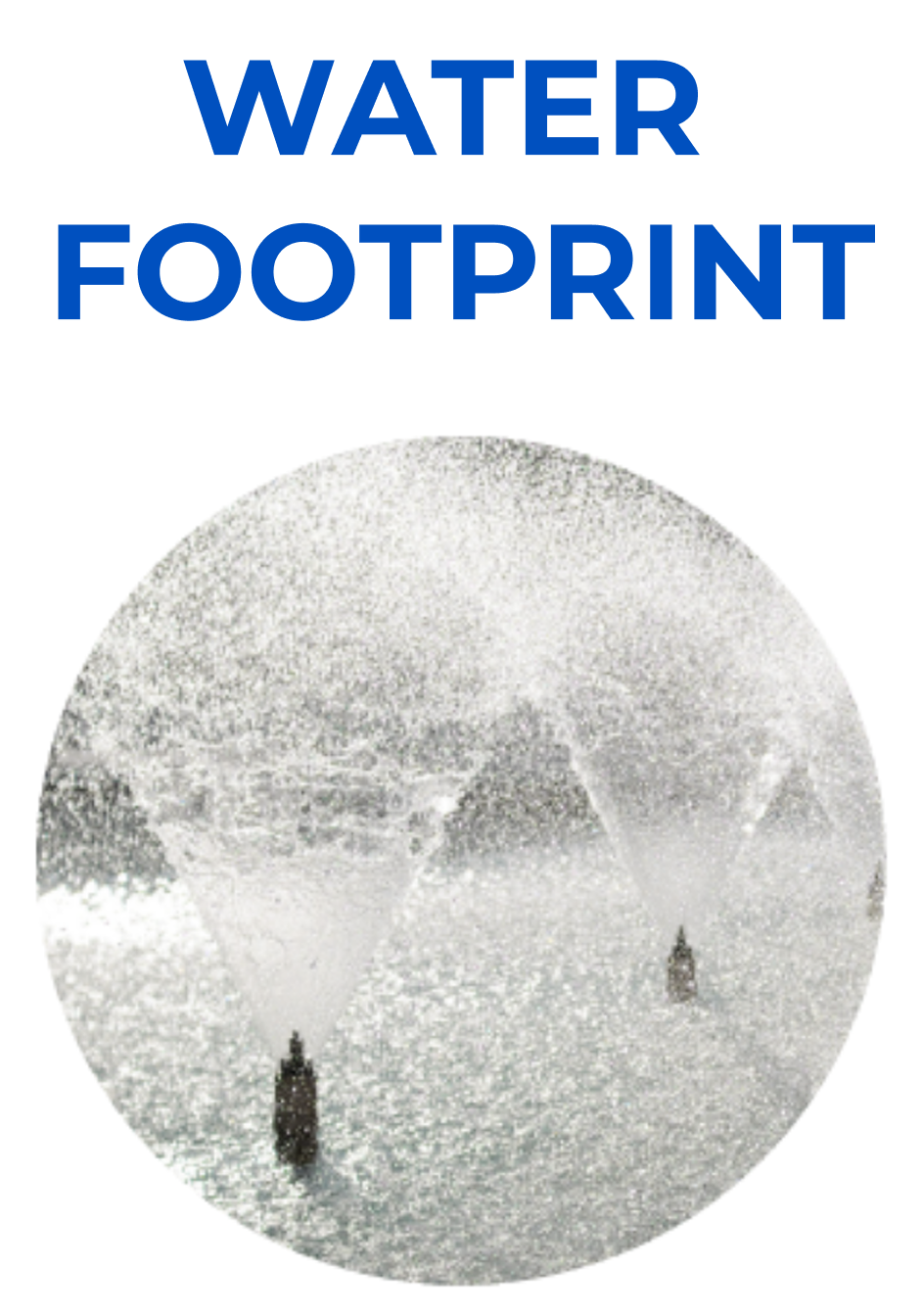
CASSA Group takes a landscape approach because we understand that our decisions must protect the environment around us. We see water as more than just a key operational resource; it is the heart connecting land use, community well-being, and the sustainability of our business. We therefore manage water responsibly and measure its use with concrete data.

In 2024, integrated water consumption totaled:

The global average for sugar production ranges from 1666 to 1782 m³ per ton [Hoekstra & Mekonnen, 2011]. This is 42% below the maximum global average.

At CASSA Group, we work for a more sustainable harvest season. This initiative drives annual increases in mechanized sugarcane harvesting, reducing burning and improving field residue management. We achieve this through partnerships with MARN and MAG (ministries of the environment and agriculture), the sugarcane growers and the broader sugar agroindustry. Together, we're advancing cleaner and more environmentally responsible production. We harvested 51% of cane green in the 2023–2024 season.

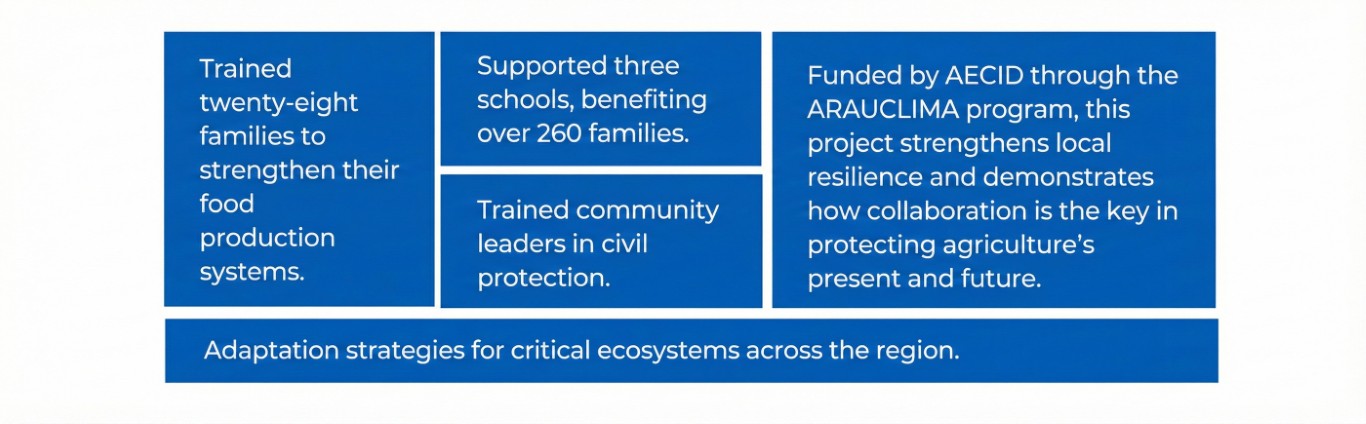
In 2024, we continued our partnership with the Climate Change Institute (ICC Spanish acronym), an organization operating in El Salvador and Guatemala that promotes community-based climate solutions. Together, we work in six sugarcane-growing communities across El Salvador through initiatives including:

CASSA GROUP AGROINDUSTRIAL MODEL

The CASSA Group agroindustrial model has shared growth and exit strategies. Our goal is to equip growers with the tools needed to achieve profitability and competitiveness essential for sustaining nearly three thousand sugarcane producers across the country's eastern and western regions. This includes:

1. Technical assistance in good agricultural practices.
2. Training in new technological tools.
3. Agricultural research and development.

4. Financing.
5. Property management systems.
6. Industrial strategy.
7. Environmental strategy.
8. Occupational health and safety culture.

9. Community engagement model.
10. Competitive commercial offering.
11. Digital Transformation.

AGRICULTURAL RESEARCH AND DEVELOPMENT

Research supporting sustainable crop production. Our Agricultural Research and Development department works to develop responsive solutions for key operational challenges including climate variability, input supply, environmental sustainability, and resource efficiency.

- Key agricultural research and development programs
- Agronomy and soils
- Integrated pest management
- Varieties
- Best agricultural practices

FIELD TRANSFORMATION AND TECHNOLOGY

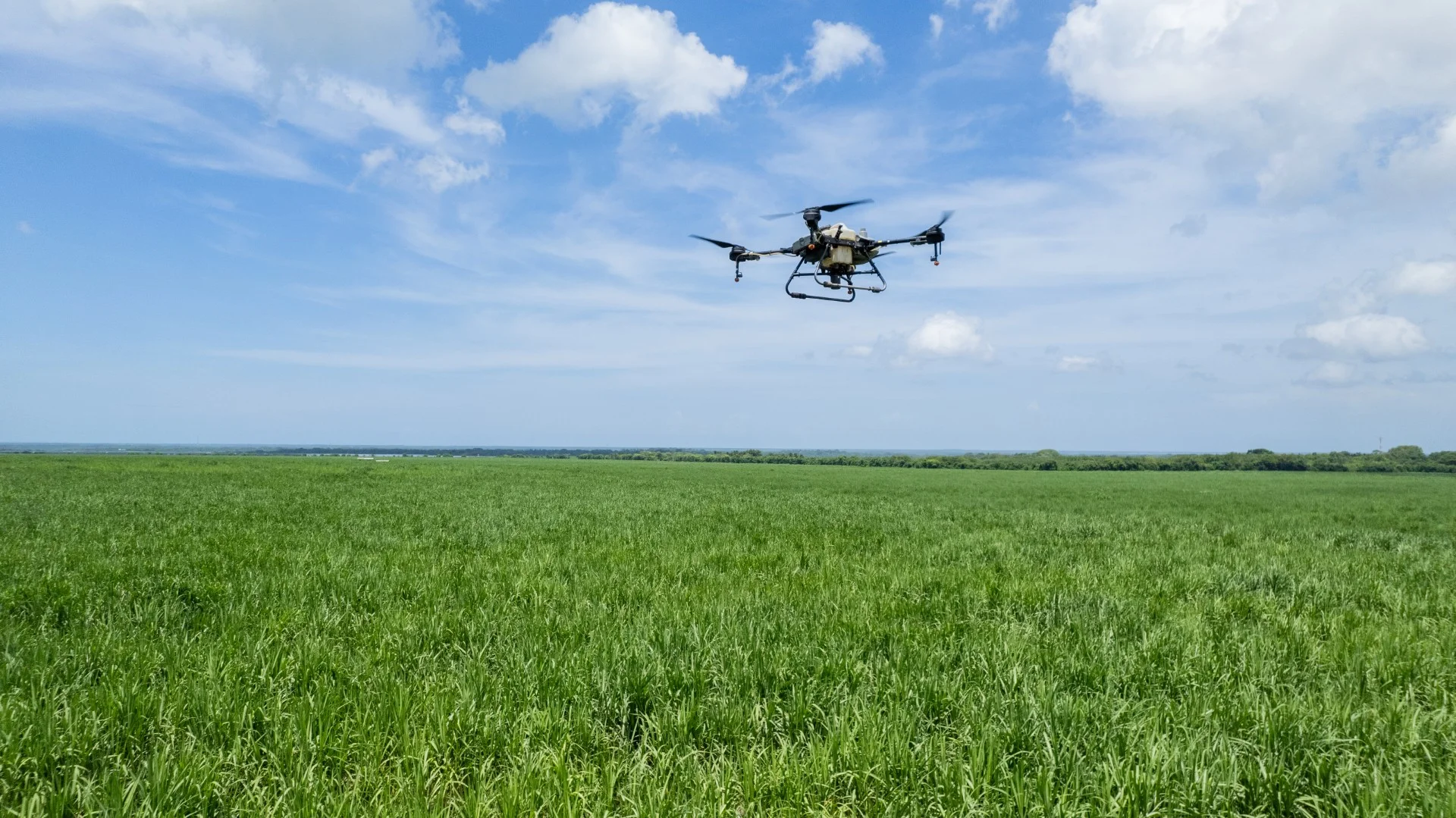
We're driving agricultural transformation through continuous implementation of innovative technologies that optimize every stage of production. Through precision agriculture, we leverage data and advanced tools for better-informed decisions that improve both efficiency and environmental performance. Mechanization is central to this approach, automating and streamlining critical tasks like planting, irrigation, and harvesting, for more efficient resource use and lower operating costs.

Sustainability Audit Commitments